Surfacing from a 130-foot penetration dive on a sunken freighter leaves the body’s tissue compartments heavily saturated with dissolved nitrogen. Standard dive computers enforce a mandatory 18-to-24-hour surface interval before any flight. This physiological hard stop creates a brilliant logistical window. Barbados shatters the illusion of the monolithic Caribbean sandbar; it is a jagged limestone anomaly thrust upward by tectonic subduction. The resulting landscape delivers severe topography, layered colonial history, and deeply specialized ecological zones.
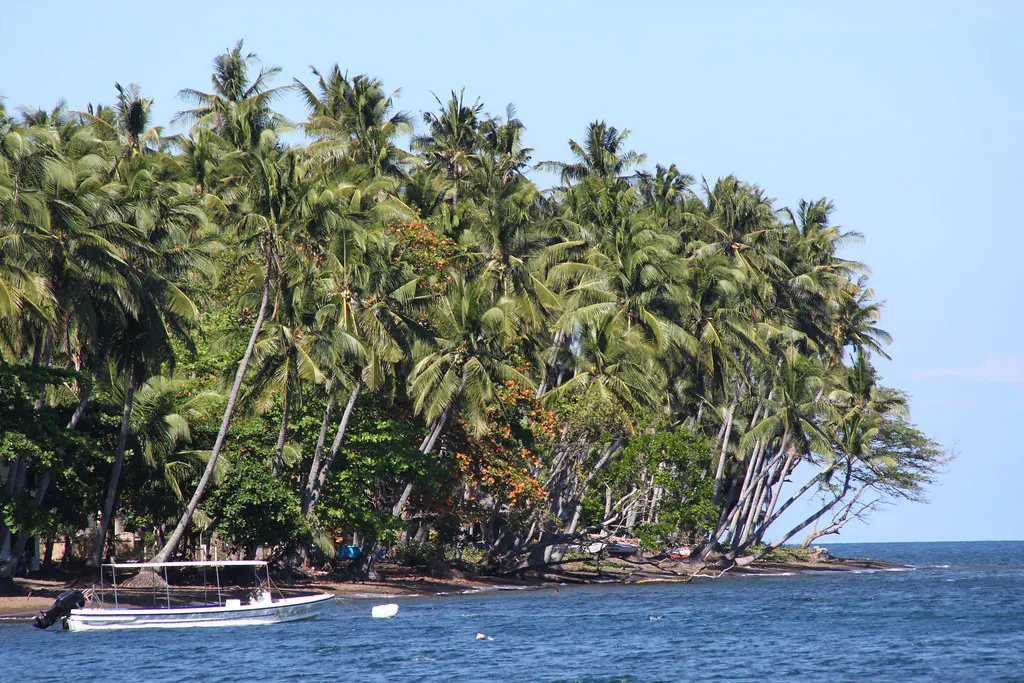
“Dauin beach” by bortescristian is licensed under BY. Source: Openverse
The precision required to chart a multi-level dive profile translates directly to off-gassing days. Calculating travel times, operating hours, and local transit routes pays immense dividends. Offshore, the Best Scuba Diving in Barbados consumes the morning. Topside, the terrestrial environment commands the afternoon with raw geological fractures, historic distilleries, and UNESCO-recognized military garrisons. Strategically pairing a morning wreck penetration with an afternoon colonial deep-dive stretches both bottom time and cultural exposure without breaching no-decompression limits. Staring at a hotel wall wastes a perfectly good nitrogen purge.
Culture, History, and Rum
Christ Church Parish fractures the Friday night quiet with the Oistins Fish Fry. Anchored at the Oistins Bay Gardens, the weekly convergence operates against the raw backdrop of an active commercial fish market. Smoke off open flames thickens the air as local vendors char fresh-caught flying fish, mahi-mahi, and marlin. A heavy plate—piled high with macaroni pie and a sweating local Banks beer—runs a flat 30 to 35 BBD ($15.00 to $17.50 USD). Personal space dissolves at communal picnic tables where off-duty divemasters rub shoulders with local fishermen and transient surfers. The noise is absolute; domino games slam down at a ferocious, percussive pace just beyond the smoke.
That same density translates into historical weight further north in the capital. The Historic Bridgetown and its Garrison secured UNESCO World Heritage status in 2011. The district stubbornly grips its original 17th-century serpentine street layout—a stark rebellion against the rigid grid systems imposed on later Spanish and Dutch colonial outposts. The Garrison anchors the zone, preserving massive colonial architecture alongside one of the oldest horse-racing tracks in the Americas.
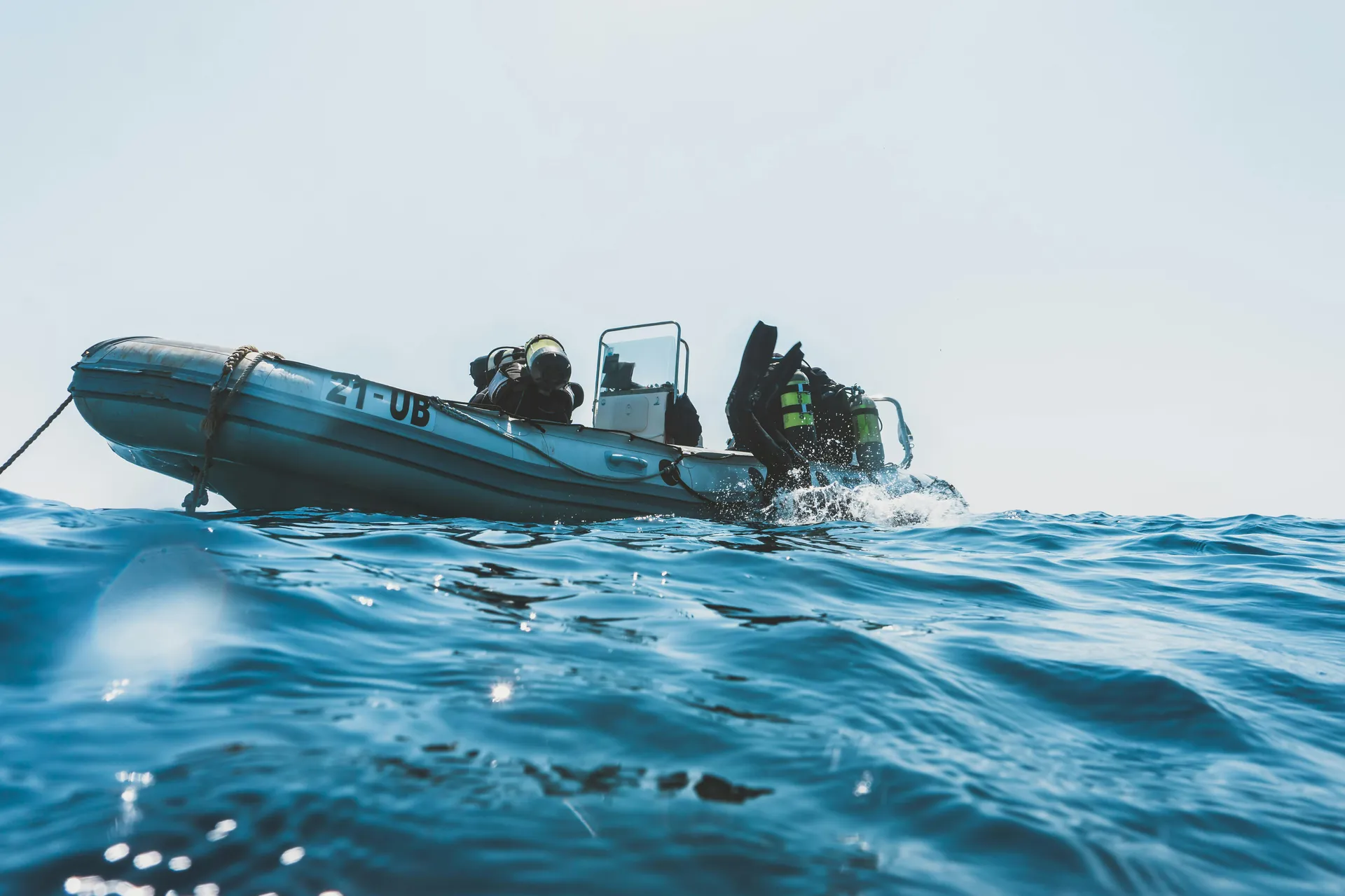
Photo by Pia B on Pexels
Barbados birthed commercial rum production. The Mount Gay Distillery has fired its stills continuously since 1703. Guided tours dissect the fermentation and distillation cycles, exposing the mechanics behind traditional copper pot stills and single-strand coral-filtered water. Structured tastings deconstruct the complex flavor profiles defining their XO and Black Barrel blends.
Architectural purists demand a northern detour to St. Nicholas Abbey in St. Peter Parish. It stands as one of only three surviving Jacobean mansions in the Western Hemisphere. Raised in 1658, the plantation house commands the landscape with curved Dutch gables, coral stone finials, and a fully operational steam mill. The estate distills small-batch, boutique rum kept strictly for domestic consumption; not a single drop is exported. Bottling happens directly on the grounds, allowing visitors to engrave their own mahogany-corked reserves.
Subterranean Wonders & Island Wildlife
The island’s architectural bones extend deep underground. Geologically isolated from the volcanic spine of the Lesser Antilles, Barbados is constructed almost entirely of Pleistocene limestone. Hundreds of thousands of years of subterranean river flow have gouged massive karst formations through this porous bedrock. Harrison’s Cave acts as the crown jewel of this slow, violent geological erosion, dominating the central uplands of St. Thomas Parish. The active, 2.3-kilometer system swallows visitors into chambers of towering stalagmites, deep plunge pools, and rushing underground streams.
Standard tram circuits run $30.00 USD for adults, ferrying guests comfortably through the primary caverns. Fit divers accustomed to the claustrophobia of overhead environments belong on the Chukka Eco-Adventure Spelunking Tour, priced at $99.00 USD. This severe route abandons the tram entirely. Outfitted with headlamps and knee guards, you crawl through unlit, suffocating passageways and wade chest-deep through subterranean water channels. It is a highly tactical terrestrial excursion.
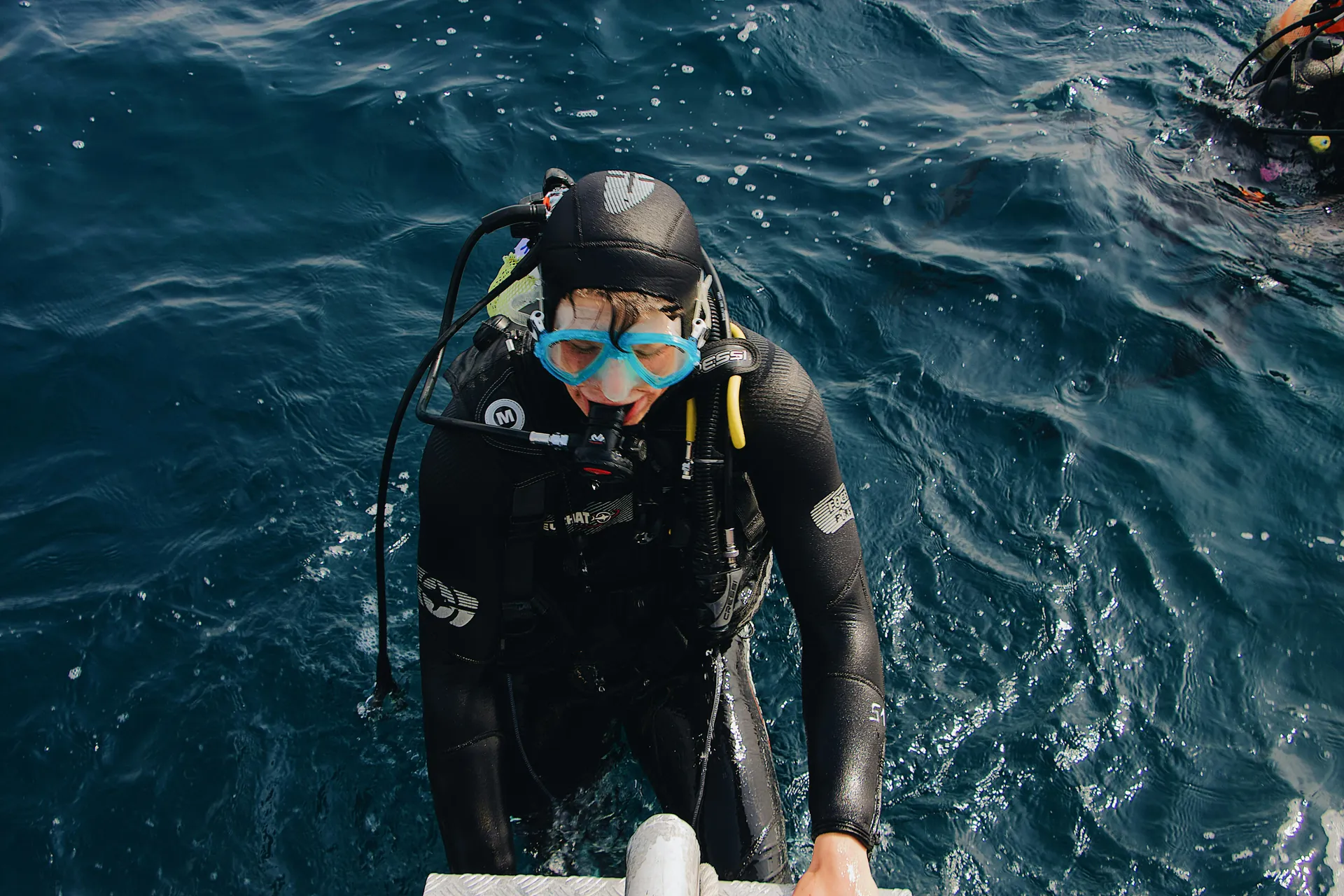
Photo by Maël BALLAND on Pexels
Topside biology concentrates heavily in the northern parishes. The Barbados Wildlife Reserve commands four acres of dense mahogany forest in St. Peter. Green monkeys (*Chlorocebus sabaeus*), introduced from West Africa in the 17th century, dominate the canopy. These animals move with absolute freedom, stripping away the artificial barriers of traditional enclosures. Perfecting macro lens techniques often requires practicing under difficult lighting; review our Underwater Photography Tips, as the ambient light principles translate perfectly when tracking fast-moving subjects beneath a heavy forest ceiling.
The extreme northern edge of St. Lucy Parish ends violently at the Animal Flower Cave. Uninterrupted kinetic energy from the Atlantic Ocean has smashed deep chambers straight into the cliff face. Sea anemones populate the shallow interior pools, giving the cavern its name. The floor itself is pure, polished coral, carrying an estimated age of 500,000 years.
Surf, Sand, and Post-Dive Relaxation
That same Atlantic force pulverizes the entire east coast. Bathsheba presents a brutal, dramatic bathymetry. Massive coral boulders, violently detached from the ancient reef system, sit squarely in the surf zone. Casual swimming is impossible here; the tidal currents pull with aggressive malice, and the undertow is severe. This violence creates the undisputed epicenter of Caribbean surfing. The Soup Bowl churns out heavy, barreling right-handers that pull professional surfers across the globe. Deep-water swells hit the shallow, jagged reef shelf at terrifying velocity, generating flawless wave mechanics. The elevated beach parks provide a safe vantage point to watch the sets roll in.
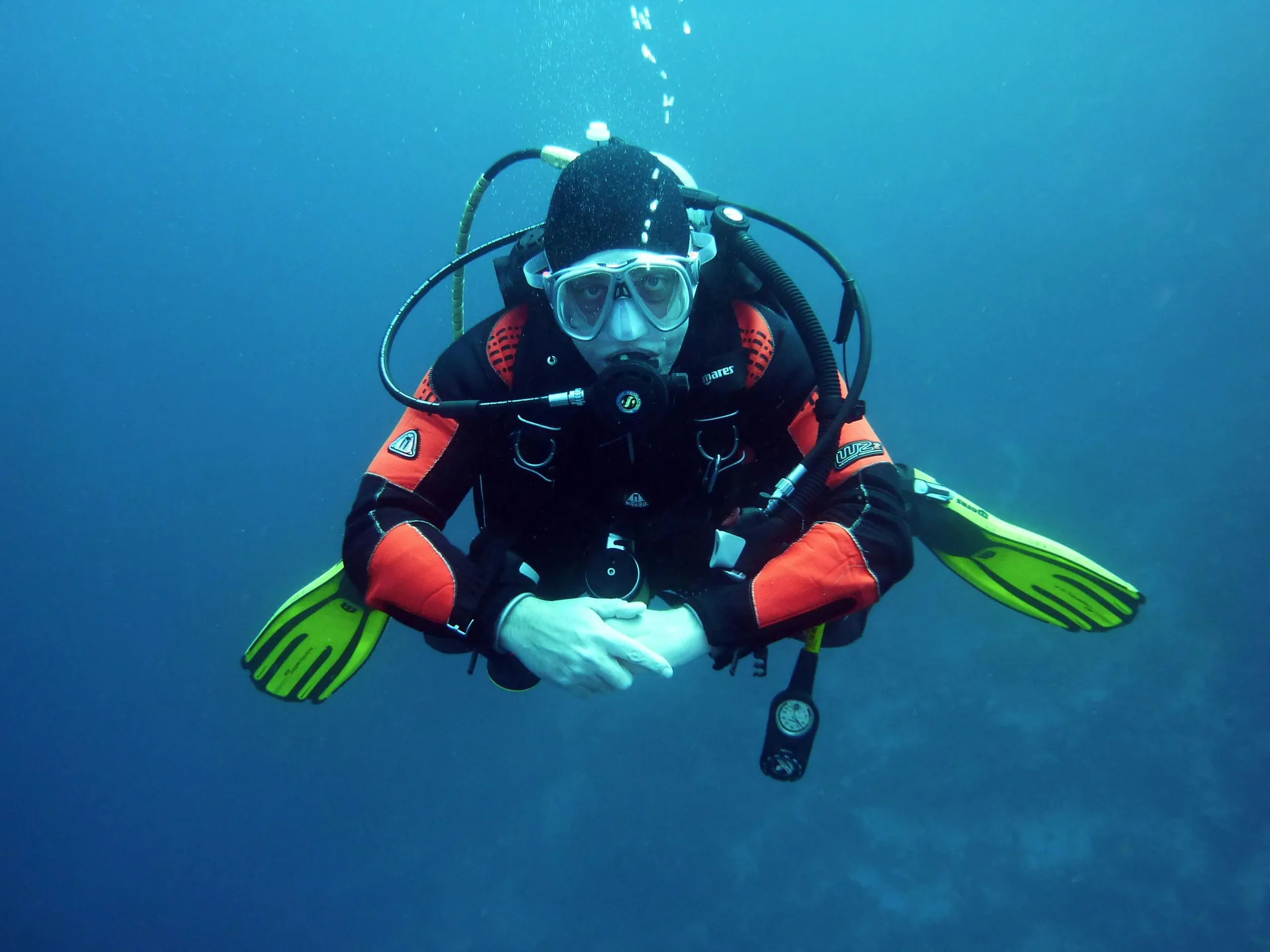
Photo by Pixabay on Pexels
The western and southwestern coasts block the Atlantic fury entirely, creating an environment of heavy, flat-water stillness. Deep penetration dives require zero-stress off-gassing, making the shielded shallows of Carlisle Bay an ideal recovery zone. The water holds a glass-like tension. Hawksbill turtles (*Eretmochelys imbricata*) slide into the shallows to graze on seagrass. Heavy scuba configurations are unnecessary; a simple mask and snorkel bridge the gap between surface and marine interaction.
Non-certified companions seeking a controlled introduction to the marine ecosystem thrive in these shallow parameters. They can execute an aquatic discovery and snorkeling adventure with zero prior experience. Certified divers sharing the same bay can consult the Best Spots for Scuba Diving, quietly mapping out the six distinct shipwrecks rotting just a few hundred yards offshore.
Traveler Advice & Pro Tips
Executing these surface intervals hinges on reading the local transit infrastructure. The island measures a mere 21 miles long and 14 miles wide, yet traffic snarls along Highway 7 (the South Coast Road) frequently obliterate travel schedules. Hauling heavy life-support gear to the dive shop demands proper vehicle logistics; consult our Equipment & Safety Guide to handle rental parameters. Moving without equipment shifts the advantage heavily toward the public transit grid.
Transport Type
Cost (BBD)
Route Coverage
Best For
Transport Board Buses (Blue)
$3.50
Entire Island (Hubs in Bridgetown/Speightstown)
Long routes to St. Lucy or St. Philip. Fixed schedules.
ZR Vans (White with Maroon Stripe)
$3.50
High-density corridors (Route 11 to Oistins)
Fast, aggressive transit along the south and west coasts.
Private Taxis
Variable ($40-$80+)
Point-to-Point
Direct airport transfers or returning to your hotel after dark.
ZR vans (pronounced “Zed-R”) dominate the south coast corridors, stripping hours off the commute to the Oistins Fish Fry. They run fast, pack passengers shoulder-to-shoulder, and blast heavy dancehall tracks. Exiting the sliding door costs exactly 3.50 BBD, handed straight to the driver. Exact change greases the wheels of the operation, though it is not strictly enforced.
“Friday nights barely scratch the surface of Bajan culinary tradition. Track down a neighborhood rum shop on a Saturday afternoon for proper Pudding and Souse—a fiercely spiced plate of pickled pork and steamed sweet potato that anchors authentic island cooking.”
Island weather dictates the rhythm of topside excursions, as mapped in our Best Time & Weather for Scuba Diving guide. Wet season rain cells (June to November) rarely dominate a full day, but sudden torrents will completely wash out the unpaved dirt tracks leading to remote east coast breaks. Afternoon hours pull the highest probability of tropical downpours; schedule subterranean entries like Harrison’s Cave or Mount Gay barrel tastings during these volatile atmospheric windows.
Surviving the extreme technical demands of deep-water wrecks—like those decoded in our Mastering the Stavronikita manual—requires absolute discipline during topside recovery. Barbados supplies the necessary infrastructure: complex morning dive profiles give way to afternoons steeped in colonial bloodshed, rum production, and severe karst geology. Manage the nitrogen load. Respect the Atlantic undertow. Eat the flying fish.