Cebu anchors the Central Visayas as a supreme staging ground for subaquatic exploration. Jets touching down at Mactan-Cebu International Airport discharge passengers just twenty minutes from the shoreline—a proximity that collapses the usual grueling transit between tarmac and reef. The Philippine Sea here maintains a steady 26°C to 29°C year-round, wrapping divers in thermal comfort while supporting intense ecological density. This mature coastal infrastructure absorbs every tier of experience; absolute novices pull their first strained breaths from regulators in shallow lagoons, while technical veterans stage complex deep-water ascents. Drifting the sunlit coral shelves of the Mactan channel or grinding through a professional divemaster practicum both feel entirely natural in this environment.
Selecting a training agency precedes any giant stride off the boat deck. The island sustains dozens of five-star dive centers tethered to major certification bodies. The Professional Association of Diving Instructors (PADI) casts the widest net, dominating the recreational operations stretching from Mactan down to Moalboal. Scuba Schools International (SSI) runs a tight parallel, operating through an integrated digital curriculum adopted by numerous local outfitters. Divers anticipating a future of complex gas mixtures and deep wrecks often gravitate toward Scuba Diving International (SDI) facilities, which lay the groundwork for technical decompression pathways. Strict compliance with the World Recreational Scuba Training Council (WRSTC) binds all three frameworks together; a plastic card stamped in Cebu commands absolute validity for tank rentals and boat manifests globally.
Discover Scuba Diving (DSD): The Beginner’s Try-Dive
Committing four days to a full certification immediately upon arrival intimidates plenty of travelers. The Discover Scuba Diving (DSD) experience—casually branded as a “try-dive”—strips away the intense physics lectures to prioritize immediate hyperbaric immersion. Local half-day sessions hinge on practical exposure. Instructors run a focused 30-minute dryland orientation centered on non-verbal communication, barotrauma prevention, and regulator recovery. Students then transition straight into confined water; this initial submersion happens either in a chlorinated training pool or a sheltered, sandy-bottomed coastal inlet.
The protected marine sanctuaries flanking Mactan Island absorb the nervous energy of a first open-water descent beautifully. Locations like Tambuli Reef and the Shangri-La Marine Sanctuary maintain zero-current conditions, while dive leaders strictly cap the maximum depth at 12 meters (40 feet) for uncertified guests. Reviewing these gentle underwater topographies through our Where to Go: Best Spots for Scuba Diving directory clarifies what to expect when the seabed finally drops out of sight.
- Target Demographic: Uncertified travelers requiring close supervision to acclimatize to compressed air and neutral buoyancy.
- Time Commitment: 3 to 4 hours, inclusive of the safety briefing, shallow water skill practice, and one guided open water dive alongside a professional.
- Physiological Requirement: Mitigating the risk of decompression sickness mandates an absolute minimum surface interval of 18 hours before flying out of Mactan-Cebu International Airport.
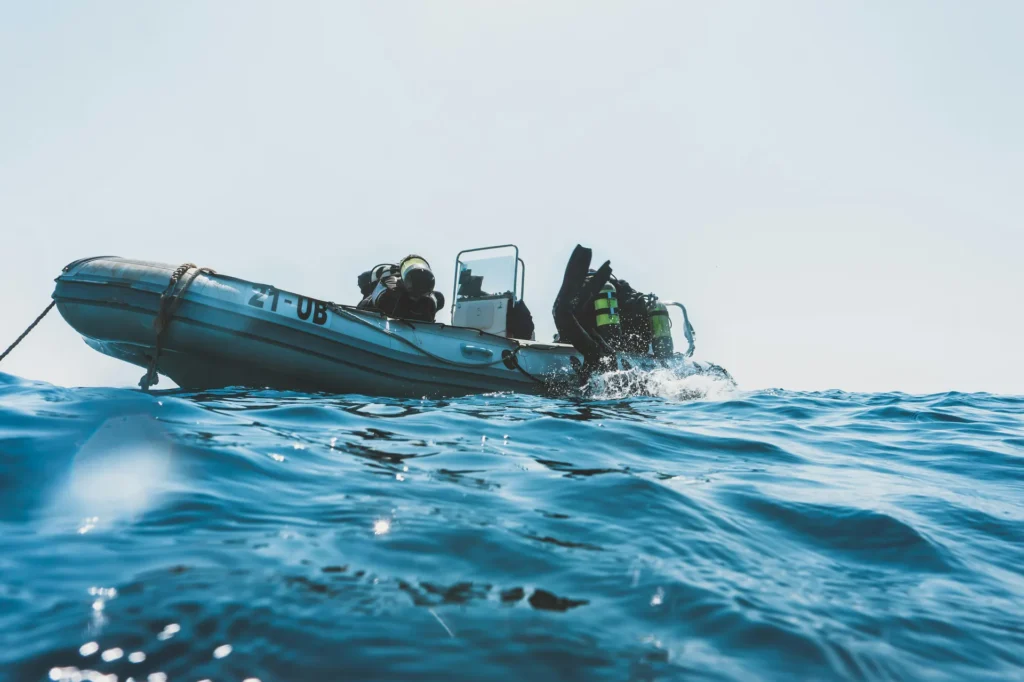
Getting Certified: The Open Water Diver Course
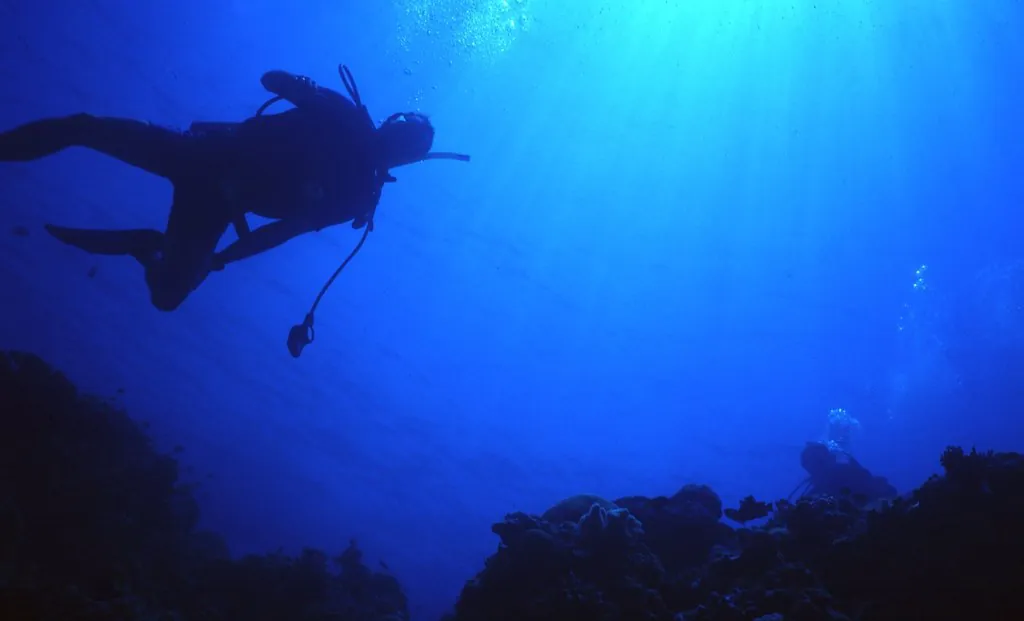
Graduation from the Open Water Diver course strips away the mandatory supervision of a professional guide. This grueling but rewarding credential permanently alters your relationship with the ocean; it licenses you to descend to a maximum depth of 18 meters (60 feet) reliant solely on your training and a certified buddy.
Completing this curriculum in Cebu demands a solid 3 to 4 days of commitment. The syllabus breaks down into distinct phases, beginning with the dry physics of gas under pressure and table-based dive planning. Local operators heavily encourage executing this theory segment via e-learning prior to arriving in the Philippines. Confined water sessions then force students to demonstrate critical survival mechanics—clearing flooded masks, retrieving dropped regulators, and finding the elusive hover of neutral buoyancy. Earning the final signature requires passing four open water check-out dives. Timing these crucial sea trials against the calmest tidal windows drastically improves the experience; our Best Time & Weather for Scuba Diving guide details exactly when the coastal waters flatten out.
| Course Level | Duration | Estimated Cost (PHP) |
|---|---|---|
| Discover Scuba Diving | 1/2 Day | 3,500 – 4,500 |
| Open Water Diver | 3 – 4 Days | 18,000 – 24,000 |
| Advanced Open Water | 2 – 3 Days | 15,000 – 18,500 |
Leveling Up: Advanced Open Water & Specialty Courses
Mastering basic buoyancy and air consumption quickly exposes the limitations of a beginner license against Cebu’s dramatic submarine cliffs. The Advanced Open Water course tackles this barrier through five specialized adventure dives, mandating both Deep Diving and Underwater Navigation modules. Breaching the initial 18-meter boundary pushes the legal depth limit down to 30 meters (100 feet)—a critical threshold that grants access to the vast majority of the planet’s renowned wrecks and reef walls.
That specific depth rating becomes an absolute non-negotiable prerequisite for those intent on Encountering the Thresher Sharks of Malapascua. Pelagic thresher sharks (Alopias pelagicus) circle the cleaning stations at Monad Shoal and Kimud Shoal, haunting the dark ledges fixed between 15 and 30 meters deep. Spending prolonged periods at these depths introduces the need for specialized gas mixtures; an Enriched Air Nitrox (EANx) certification fundamentally changes the math of a multi-day safari. Inhaling tanks blended with 32% to 36% oxygen significantly curbs nitrogen absorption, stretching no-decompression limits to keep divers in the water longer during repetitive daily schedules.
“Pursuing advanced training in Cebu transcends the mere collection of certification cards; it acts as a tactical necessity to safely penetrate the island’s most spectacular and exclusive marine ecosystems.”
Decoding Dive Rates, Taxes, & Marine Park Fees
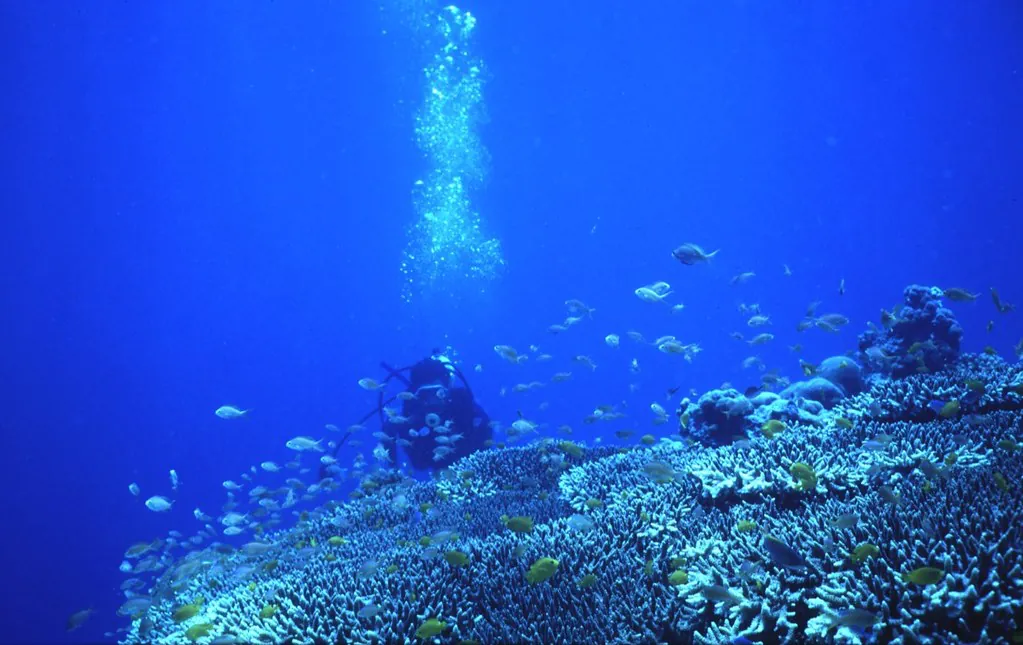
Financial opacity can derail a well-planned expedition; dissecting the local pricing structure prevents sudden budget blowouts. Quoted “Fun Dive” rates for certified individuals demand careful scrutiny regarding exact inclusions. A standard baseline—hovering around 1,700 PHP for a shore dive and 1,900 PHP for a boat dive in municipalities like Moalboal—absorbs the cost of the compressed air tank, lead weights, the motorized outrigger transit, and the localized expertise of a Divemaster. Operators universally quarantine full equipment rental into a separate daily surcharge; acquiring a BCD, regulators, a 3mm wetsuit, and fins adds roughly 500 to 1,000 PHP to the daily ledger. Weighing the baggage fees of hauling personal kit against these rental costs requires some basic arithmetic, detailed thoroughly in our Equipment & Safety Guide.
The true cost of diving extends beyond the shop’s profit margin. Nearly every viable reef system in Cebu falls within the boundaries of a protected marine sanctuary, requiring financial input from visitors to sustain coastal conservation, anti-poaching patrols, and mooring buoy maintenance. Moalboal handles this through a tiered system: general tourists incur a baseline Environmental User Fee (EUF) of 25 PHP, whereas ticketed divers bypass this general tax to pay a specific Marine Park Ticket of 100 PHP per dive. Dive shop managers routinely collect these micro-transactions in physical cash on the municipality’s behalf just before the outrigger unties from the pier. The Philippines Department of Tourism outlines the broader legal framework of these ecological taxes, which pair well with the direct action campaigns championed globally by the PADI AWARE Foundation.
Frequently Asked Questions
Do I need to know how to swim to do a Discover Scuba Dive?
Basic water comfort prevents panic, yet raw swimming proficiency remains largely irrelevant for a Discover Scuba Dive. The attending instructor physically controls both buoyancy and forward propulsion throughout the entire submerged session. Transitioning into the full Open Water Certification drastically shifts this dynamic; securing the license requires passing a mandatory, unassisted 200-meter continuous surface swim (or a 300-meter swim utilizing a mask, fins, and snorkel) alongside a 10-minute survival float.
Are marine park fees included in the tour packages?
Operator policies dictate the structure of the final bill. Premium resorts and high-end guided tours routinely fold marine park tickets, EUFs, and fuel surcharges into the initial upfront price. Lean, budget-focused outposts in Moalboal or Malapascua shift this burden to the diver, demanding exact cash payments directly to the boat captain at the shoreline. Clarifying the exact inclusions on an invoice prevents awkward delays on the dock.
What can non-divers do while I am taking my course?
The geography of Cebu accommodates non-diving companions effortlessly. Leaving a partner to study dive tables or flood their mask in the shallows frees them to leap off the cliffs at Kawasan Falls, trace the remnants of Spanish colonial architecture in Cebu City, or float above the sardine shoals with a simple snorkel. Outlining these parallel adventures requires nothing more than referencing our Other Things to Do in Cebu directory for structured land-based itineraries.
How much time must I wait before flying out of Mactan-Cebu International Airport after diving?
The Divers Alert Network (DAN) establishes a strict 18-hour minimum pre-flight surface interval for individuals executing multiple dives over several days in Cebu. Local divemasters push this boundary further, advocating for a highly conservative 24-hour gap between breaking the surface and boarding a pressurized aircraft to completely mitigate decompression sickness. This mandatory off-gassing period creates an excellent window for terrestrial excursions or scouring shallow coastal flats for Cebu’s Smallest Wonders.
Are scuba diving certifications earned in Cebu recognized internationally?
Cards issued by major agencies like PADI, SSI, and SDI command absolute global recognition. These organizations operate under the strict, unified standards of the WRSTC, rendering geographic origin irrelevant to the final qualification. Earning an Open Water license in the Mactan Channel or mastering deep profiles at Malapascua secures the exact same privileges to rent technical gear, board international liveaboards, and book excursions on any continent.
Curated Dive Tours & Packages in Cebu
Securing a spot on the boat from the opposite side of the globe introduces unnecessary friction. We cut through the logistical noise by organizing a verified roster of local operators. The resulting catalog isolates top-rated day trips, entry-level certification courses, and demanding multi-day expeditions launching directly from Cebu and its neighboring Philippine islands.

Cebu: Scuba Diving Experience beach entry in Mactan
⭐ Cebu: Experience
🔥 Likely to sell out soon!

Private Aquatic Discovery Helmet Diving and Snorkeling Adventure
⭐ Private Experience
🔥 Free cancellation for flexible planning

Scuba Diving & Water Sports
⭐ Scuba Experience
🔥 Bestseller in 2026

Discover Scuba diving in El Nido
⭐ Discover Experience
🔥 Top Choice in Cebu, Philippines

Discover Scuba Diving in Coron
⭐ Discover Experience
🔥 High demand: 30 people viewed today

WaterColors – Discover Scuba Diving in Boracay
⭐ WaterColors Experience
🔥 Top Choice in Cebu, Philippines